





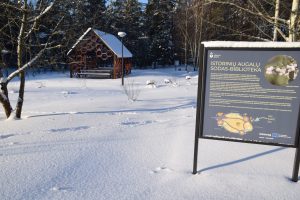
At a time when the landscape of Aukštaitija National Park is wrapped in white stillness, the park’s novelty — the Historical Plant Garden — also quietly spends the winter under the snow. Although it may seem that life has come to a halt when looking at the snowy cover, living history is being preserved here, ready to speak through thousands of blossoms in spring.
A Mission to Bring Old Plants Back to Our Yards
This garden is not just another beautifully managed space. It is the core of the GREEN STORIES (LL-00188) project implemented by the Directorate of Aukštaitija National Park and Labanoras Regional Park. Its main mission is to popularize historic plants that shaped the landscapes of our villages, towns, and manor estates for hundreds of years.
The authors of the project seek to encourage visitors not only to admire old plant species, but also to get to know them and begin using them again in contemporary private and public green spaces. The project aims to cultivate aesthetic taste, invites visitors to take inspiration from appealing plant combinations, and to explore the diversity of plant forms and colors. It is a call to return to our roots by choosing plants that have grown in our region for centuries.
A particularly important direction of the project is youth education — introducing young people to the world of historic and rare plants, involving them in nature conservation activities, and encouraging them to choose careers related to the natural sciences.
Three Historical Stories and Plant Diversity
The garden features three distinct planting areas that reflect the historical assortment of plants typical of Eastern Lithuania, based on inventory survey carried out by park botanists:
- The manor greenery showcases species that once decorated manor estates of the region, such as Pakiaunė or Padvarė. Here visitors can see not only garden jasmines or fluffy lilacs, but also magnificent peonies, common whiteheads, zinnias, sinavads, blue slipper lilies, medicinal white roots, creeping carnations and antique roses..
- The village greenery is dedicated to plants that held symbolic meaning for our ancestors. In addition to green rue and wormwood, medicinal hyssop, fragrant mallow, cinquefoil, and medicinal asparagus grow here.
- The town greenery demonstrates a harmony between history and modernity, showing how traditional plants such as daylilies, bellflowers, glowing rudbeckias, and purple echinacea can blend seamlessly with modern cultivars to create a contemporary, rich, and unexpected visual effect.

Sustainability and an Abundance of Fruits
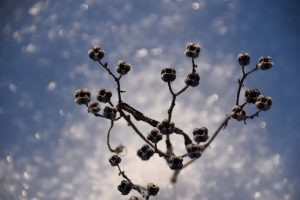
Along the edges of the garden territory, a 10.5-are flowering meadow has been sown, reflecting a modern approach to nature conservation. Both the meadow and the planted areas are home to many easily recognizable trees and shrubs: snowdrop trees, lilacs, aronia, wild roses, jasmine. And they are not the only ones to bear fruit — three young apple trees (“Pineapple”, “Lilac”, and “Antonovka” varieties) have been planted in the garden, complementing a long-growing wild apple tree that already yields an abundant harvest.
Spaces to Relax and Discover
The garden was designed not only for viewing, but also for meaningful relaxation. For visitors’ an open-air educational gazebo has been installed, along with informational boards providing detailed descriptions of the greenery areas. Those wishing to relax can enjoy comfortable benches and loungers, while cyclists can use special bike stands. 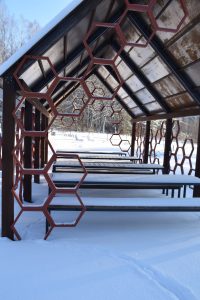
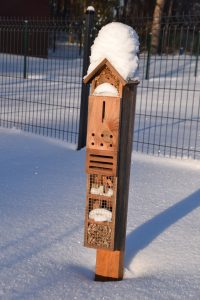
The garden ecosystem is enriched by its “small residents,” with insect hotels and bumblebee houses installed. Already in the first months, a great diversity of wildlife has been observed: nesting birds, butterflies and other insects flitting from flower to flower, toads, and curious grass snakes.
Looking Ahead: A Dome and the Moon Laboratory
As temperatures rise, major new developments await the garden. As soon as the ground thaws, construction works will begin on a unique dome in the nearby pine forest. It will house a modern educational space and the mysterious Moon Laboratory, further expanding opportunities for exploration and learning about the biodiversity.
Awaiting Spring: 3000 Secrets Beneath the Snow
Although the garden is currently asleep, immense vitality lies hidden beneath the snow. Last autumn, more than three thousand bulbs of spring-flowering plants were planted here. From early spring, the garden will burst into an incredible variety of colors. Visitors can expect a true flood of blossoms: classic tulips and daffodils, delicate snowdrops, squills and grape hyacinths, mysterious fritillaries and glory-of-the-snow, vivid crocuses, and ornamental alliums reaching skyward. This will be the garden’s first spring celebration, illustrating just how rich and diverse the green heritage of our region can be.

We invite everyone to visit in spring, when the garden awakens—breathe in its tranquility and take home inspiration for your own gardens. Until then, let us allow this valuable exhibition to rest beneath its winter cover. Let’ remain attentive and responsible guardians of this fragile history.